
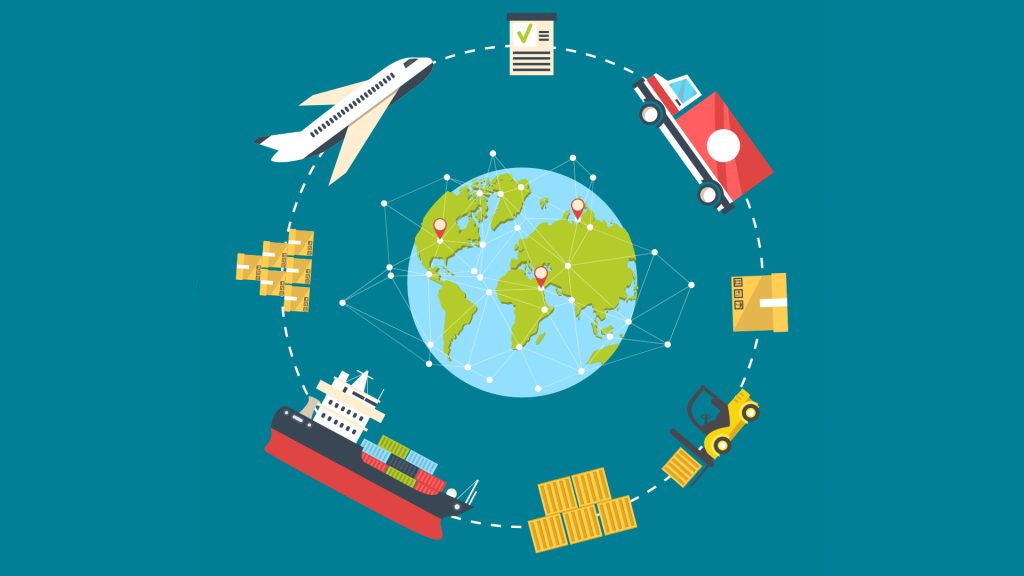
Transportation accounts for a significant share of global greenhouse gas emissions, making it a key player in the fight against climate change. In fact, the transport sector is responsible for nearly one-quarter of global CO2 emissions from fuel combustion. To reduce these emissions, we must move towards more sustainable and green transport options.
What is Sustainable Green Transport?
Sustainable green transport refers to modes of transportation that are environmentally friendly and resource-efficient. This can include electric vehicles, public transportation, walking, cycling, and other sustainable means of travel.
Why is it important?
Switching to sustainable green transport has numerous benefits, including:
1. Reduced greenhouse gas emissions – As mentioned, the transport sector is responsible for a significant portion of global CO2 emissions. Switching to green transport options can significantly reduce these emissions and help combat climate change.
2. Improved air quality – Vehicles are a major source of air pollution, which can contribute to numerous health problems. Green transport options produce fewer emissions and are often powered by cleaner energy sources, resulting in cleaner air for everyone.
3. Cost savings – Many green transport options, such as public transportation and electric vehicles, are more cost-effective in the long run than traditional vehicles.
4. Reduced traffic congestion – Encouraging sustainable alternatives to driving, such as cycling and walking, can help reduce traffic congestion and improve overall traffic flow.
How can we promote sustainable green transport?
There are several ways we can encourage the adoption of sustainable green transport options, including:
1. Improving public transportation – Investing in public transportation can encourage more people to take mass transit, thereby reducing the number of cars on the road.
2. Implementing policies and incentives – Government policies and incentives, such as tax credits for purchasing electric vehicles, can encourage people to switch to green options.
3. Building bike lanes and walkways – Investing in infrastructure for cycling and walking can make these options more accessible and attractive to people who might otherwise drive.
4. Raising awareness – Educating the public about the benefits of sustainable green transport and providing resources such as maps and guides for public transportation, walking, and cycling can encourage more people to adopt these options.
In conclusion, with the growing concern about climate change, adopting sustainable green transport options is more critical than ever. Switching to green transport options can reduce greenhouse gas emissions, improve air quality, save costs, and reduce traffic congestion. To make sustainable green transport more accessible, we need to invest in public transportation, implement policies and incentives, build cycling and walking infrastructure, and raise awareness about the benefits of green travel. By working together, we can move towards a more sustainable future.